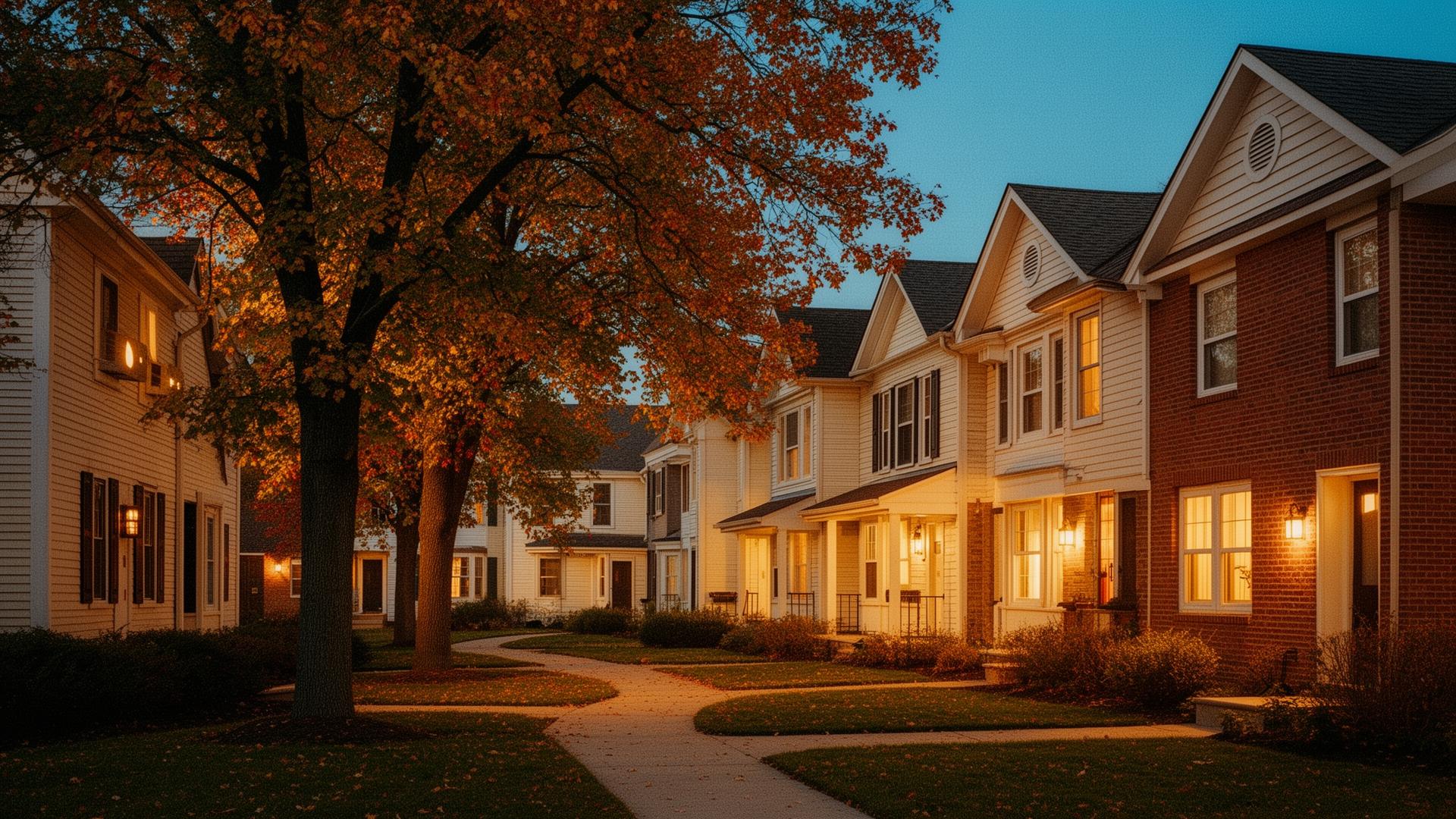
Build the community right from year one.
The decisions made while a community is still under construction — governing documents, opening budget, reserve trajectory, vendor relationships — quietly set the standard of living for the next two decades. RSP partners with developers and early boards to set that standard high.
The work, named plainly.
Governing document review
CC&Rs, bylaws, and rules read with an operator's eye — flagged before they harden into precedent.
Opening budget & reserves
Realistic operating budgets and a reserve trajectory the community can actually sustain past developer control.
Vendor & contract setup
Landscaping, snow, irrigation, and amenity vendors brought in on transparent contracts with renewal discipline built in.
Early owner experience
Welcome materials, portal access, and homeowner communications that build trust from the first closing.
Developer-to-homeowner transition
Document handoff, reserve assessment, vendor audit, and the orderly transfer of authority to the elected board.
Ongoing management
Continuity through transition and into a steady operating cadence — no re-onboarding, no learning curve to repeat.
Boards that look like this.
- Developers planning new Twin Cities communities
- Master-planned communities still under developer control
- Boards approaching turnover from the developer
- Recently-transitioned associations cleaning up year-one decisions
Onboarding, calmly.
- 01Early engagement
Document review, budget pressure-testing, and reserve modeling before the first homeowner closes.
- 02Stand-up
Vendors, bank accounts, portal, and homeowner communications launched as the community opens.
- 03Transition
Reserve study, vendor audit, document handoff, and elected-board orientation.
- 04Steady-state
The same team carries the community into its mature operating year — no second onboarding.
Common questions from boards
- When should a developer bring in a management company?
- Earlier than most expect. The governing documents, budget assumptions, and reserve trajectory set in the first year of a community quietly decide what the next twenty look like. We prefer to be in those conversations before the first homeowner closes.
- How do you handle developer-to-homeowner transition?
- Document review, vendor audit, reserve assessment, and an orderly handoff of authority to the homeowner-elected board — sequenced over months, not weeks, so nothing important falls through the cracks.
- Can you support a community that's still actively building?
- Yes. We work alongside the developer's construction operations and the early board, keeping common-area maintenance, owner communications, and association finances clean while the community grows.
See what RSP would do for your association
A board-friendly review. No pressure, no sales call — a written proposal tailored to your community.